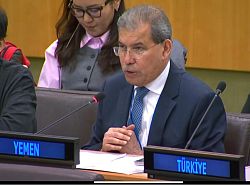
Government: "Yemen Dawn Operation" New Phase in Struggle for Restoring State Institutions, Eliminating Houthi Coup
The Yemeni government confirmed that His Excellency President Dr. Rashad al-Alimi, Chairman of the Presidential Leadership Council (PLC) declared "Yemen Dawn Operation" based on his constitutional and legal responsibilities to protect citizens and safeguard Yemen's sovereignty over its airspace, lands and territorial waters.
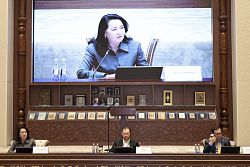
Second Day of International Media Forum on Islamic Civilization Kicks Off in Tashkent
The second day of the International Media Forum “Islamic Civilization: A New Perspective – New Discoveries” commenced today, Wednesday, at the Center for Islamic Civilization in the Uzbek capital, Tashkent.
Brent Crude Futures Rise 12 Cents
Oil prices remained mostly unchanged in early Asian trading on Thursday following gains from the previous session and a sharp monthly increase.

Al Nassr Beat Al Fateh 3-0 in Saudi Football League
Al Nassr defeated Al Fateh 3-0 in the opening round of the Saudi Pro League, known as the Roshn Saudi League.
Last Update: ،
2026/10/10
Time
10:49:30
Latest News:
 Report: Houthi Militias Blamed for Demolishing 1,774 Homes, Civilian Buildings
Amb. al-Eryani Updates German Lawmaker on Developments in Yemen
Yemen's Ambassador Confers with Malaysian Official over Joint Cooperation
State Minister Discusses Houthi Escalation, Displacement Crisis with Dutch Ambassador
EU Signs Agreement Worth 10 Million Euro to Boost Climate-Resilient Agricultural Food Systems in Yemen
Latest News:
Report: Houthi Militias Blamed for Demolishing 1,774 Homes, Civilian Buildings
Amb. al-Eryani Updates German Lawmaker on Developments in Yemen
Yemen's Ambassador Confers with Malaysian Official over Joint Cooperation
State Minister Discusses Houthi Escalation, Displacement Crisis with Dutch Ambassador
EU Signs Agreement Worth 10 Million Euro to Boost Climate-Resilient Agricultural Food Systems in Yemen
Governor of Hadhramaut discusses strengthening cooperation with Korean Ambassador
[23/11/2024 05:30]
MUKALLA - SABA
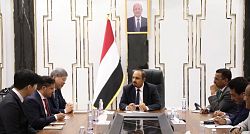
Governor of Hadhramaut Mabkhout bin Madhi discussed Saturday here with the Korean Ambassador to Yemen Bong-Kae Do enhancing cooperation in various fields including economics, trade, health, vocational education, and investment.
They also addressed the exchange of experiences and preparations for opening the Korean training center for renewable energy in Hadhramaut.
During the meeting, which included the presence of the Secretary-General of the Local Council Saleh al-Omqi and the Deputy Governors Amin Barziq and Dr. Ahmed Basrih, as well as the Undersecretary of the Ministry of Technical Education and Vocational Training for Technical Affairs Dr. Muath al-Maliki and the Director of the Ministry of Foreign Affairs Office in Hadhramaut Ambassador Salem Balfaqih, the Governor reviewed the humanitarian situation in the governorate amid increasing suffering due to Houthi militia attacks on the al-Dhabbah Oil Port, oil export ports, and ongoing escalation against maritime navigation, amid efforts to achieve peace.
The Governor of Hadhramaut also discussed the bilateral relations between the two friendly countries, which began in 1985, and the preparations for celebrating the 40th anniversary of these relations in 2025.
He highlighted Korea's role in supporting stability and peace in Yemen as a permanent member of the UN Security Council and the Chair of the Sanctions Committee on Yemen.
He praised the Republic of Korea for its role in resolving the Yemeni crisis, its efforts in the peace process, and its support for Yemen's economic recovery.
The Governor commended Korea's supportive role in various fields, expressing his aspiration for greater Korean cooperation in development, education, and health domains.
He appreciated the humanitarian and developmental assistance provided by Korea to Yemen and admired Korea's advancements in various sectors, looking forward to benefiting from Korean experiences in capacity building.
For his part, the Korean Ambassador reaffirmed his country's support for efforts to achieve peace in Yemen and its continued provision of developmental and humanitarian assistance. He emphasized support for training programs to build the capacities of young professionals in technical and vocational institutes, enabling them to keep pace with rapid technological developments in various fields.
He praised the vibrant economic activity in Mukalla, commending the deep-rooted historical relations between the two countries.
The Korean Ambassador mentioned that trade exchanges between the two countries have been significantly impacted by the current crisis in Yemen, noting that trade activity was at its peak in 2014, with annual trade volume reaching $2.7 billion and more than 9% of Korea's oil consumption sourced from Yemen.
He highlighted Korea's contributions to oil extraction in Yemen and involvement in many developmental projects, currently supporting Yemen with approximately $20 million annually in humanitarian fields, with an additional $12 million approved for developmental programs in 2023.
He expressed hope for a swift economic recovery in Yemen to restore development and trade relations to their former levels, reiterating Korea's support for achieving lasting peace in Yemen.
Governor of Hadhramaut Mabkhout bin Madhi discussed Saturday here with the Korean Ambassador to Yemen Bong-Kae Do enhancing cooperation in various fields including economics, trade, health, vocational education, and investment.
They also addressed the exchange of experiences and preparations for opening the Korean training center for renewable energy in Hadhramaut.
During the meeting, which included the presence of the Secretary-General of the Local Council Saleh al-Omqi and the Deputy Governors Amin Barziq and Dr. Ahmed Basrih, as well as the Undersecretary of the Ministry of Technical Education and Vocational Training for Technical Affairs Dr. Muath al-Maliki and the Director of the Ministry of Foreign Affairs Office in Hadhramaut Ambassador Salem Balfaqih, the Governor reviewed the humanitarian situation in the governorate amid increasing suffering due to Houthi militia attacks on the al-Dhabbah Oil Port, oil export ports, and ongoing escalation against maritime navigation, amid efforts to achieve peace.
The Governor of Hadhramaut also discussed the bilateral relations between the two friendly countries, which began in 1985, and the preparations for celebrating the 40th anniversary of these relations in 2025.
He highlighted Korea's role in supporting stability and peace in Yemen as a permanent member of the UN Security Council and the Chair of the Sanctions Committee on Yemen.
He praised the Republic of Korea for its role in resolving the Yemeni crisis, its efforts in the peace process, and its support for Yemen's economic recovery.
The Governor commended Korea's supportive role in various fields, expressing his aspiration for greater Korean cooperation in development, education, and health domains.
He appreciated the humanitarian and developmental assistance provided by Korea to Yemen and admired Korea's advancements in various sectors, looking forward to benefiting from Korean experiences in capacity building.
For his part, the Korean Ambassador reaffirmed his country's support for efforts to achieve peace in Yemen and its continued provision of developmental and humanitarian assistance. He emphasized support for training programs to build the capacities of young professionals in technical and vocational institutes, enabling them to keep pace with rapid technological developments in various fields.
He praised the vibrant economic activity in Mukalla, commending the deep-rooted historical relations between the two countries.
The Korean Ambassador mentioned that trade exchanges between the two countries have been significantly impacted by the current crisis in Yemen, noting that trade activity was at its peak in 2014, with annual trade volume reaching $2.7 billion and more than 9% of Korea's oil consumption sourced from Yemen.
He highlighted Korea's contributions to oil extraction in Yemen and involvement in many developmental projects, currently supporting Yemen with approximately $20 million annually in humanitarian fields, with an additional $12 million approved for developmental programs in 2023.
He expressed hope for a swift economic recovery in Yemen to restore development and trade relations to their former levels, reiterating Korea's support for achieving lasting peace in Yemen.
Key words:
SABA Governor - Undersecretary - approximately - technological - professionals - contributions - significantly - developmental - preparations - developments -
Government: "Yemen Dawn Operation" New Phase in Struggle for Restoring State Institutions, Eliminating Houthi Coup
Report: Houthi Militias Blamed for Demolishing 1,774 Homes, Civilian Buildings
Amb. al-Eryani Updates German Lawmaker on Developments in Yemen
Yemen's Ambassador Confers with Malaysian Official over Joint Cooperation
State Minister Discusses Houthi Escalation, Displacement Crisis with Dutch Ambassador
EU Signs Agreement Worth 10 Million Euro to Boost Climate-Resilient Agricultural Food Systems in Yemen
Leadership Council Member Al-Khanbashi Stresses Importance of Unifying Efforts, Strengthening People Integration
Armed Forces Carried out 1,729 Operations Against Military Targets of Houthi Terrorist Militias
Minister of State Discusses with UNDP Cooperation on Displacement, Migration
Human Rights Ministry Welcomes Adoption of Technical Assistance Resolution for Yemen