
Berlin Protest Calls for Lifting Taiz Siege, Designating Houthis as Terrorists
Members of the Yemeni community in Berlin staged a protest calling on Germany, the European Union, the United Nations and the international community to pressure the Iran-backed Houthi militia to lift the siege on Taiz, reopen roads, ensure freedom of movement and allow humanitarian supplies into the city.
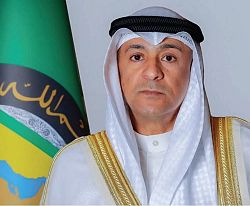
GCC Secretary-General Welcomes UN Security Council’s Position on Houthi Attacks Against Saudi Arabia
The Secretary-General of the Gulf Cooperation Council (GCC) Jasem Albudaiwi has expressed his appreciation for the position conveyed by members of the United Nations Security Council in their presidential statement regarding the attacks carried out by the Houthi terrorist militia against the Kingdom of Saudi Arabia.

Brent Crude Futures Rise 12 Cents
Oil prices remained mostly unchanged in early Asian trading on Thursday following gains from the previous session and a sharp monthly increase.

Al Nassr Beat Al Fateh 3-0 in Saudi Football League
Al Nassr defeated Al Fateh 3-0 in the opening round of the Saudi Pro League, known as the Roshn Saudi League.
Last Update: ،
2026/10/27
Time
09:19:17
Latest News:
 Berlin Protest Calls for Lifting Taiz Siege, Designating Houthis as Terrorists
Coalition Carries Out Operation to Neutralize Houthi Threats
Yemen’s Human Rights Ministry Warns of Humanitarian Catastrophe in Taiz
Citizen Killed by Houthi Landmine Explosion in Al-Baydha Governorate
Yemen Condemns Israeli National Security Minister’s Incursion into Al-Aqsa Mosque
Latest News:
Berlin Protest Calls for Lifting Taiz Siege, Designating Houthis as Terrorists
Coalition Carries Out Operation to Neutralize Houthi Threats
Yemen’s Human Rights Ministry Warns of Humanitarian Catastrophe in Taiz
Citizen Killed by Houthi Landmine Explosion in Al-Baydha Governorate
Yemen Condemns Israeli National Security Minister’s Incursion into Al-Aqsa Mosque
Minister Badhib emphasizes importance of strengthening coordination with partners
[25/02/2025 05:31]
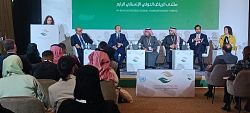
RIYADH – SABA
Minister of Planning and International Cooperation Dr. Waed Badhib has emphasized the importance of enhancing close coordination with regional and international partners with the Yemeni government, represented by the Ministry of Planning.
This coordination aims to align donor interventions with national priorities.
This statement was made during a dialogue session held Tuesday as part of the activities of the Fourth Riyadh International Humanitarian Forum, focusing on cooperation and developmental integration, as well as the mechanisms for collaboration between donor countries, international and local organizations and the Yemeni government.
The session aimed to highlight the efforts made and showcase the scale of contributions from donor countries and international and local organizations in cooperation with the legitimate government and international partners to achieve the desired goals.
It also discussed the challenges faced by donors and partners in implementing projects and overcoming these challenges while enhancing cooperation between donor countries, international and local organizations and the Yemeni government to achieve sustainable development goals.
Minister Badhib praised the efforts and support of the Saudi Program for Development and Reconstruction of Yemen, the King Salman Humanitarian Aid and Relief Center, the UN Resident Coordinator for Humanitarian Affairs in Yemen and all partners for Yemen on various fronts.
He pointed to the challenges Yemen faces in its economic, social, humanitarian, and institutional dimensions due to the war ignited by the Houthi terrorist militias, which has led to a loss of more than half of Yemen's national income, amounting to approximately $250 billion, a depreciation of the national currency by about 700%, and a cumulative inflation rate reaching 183%, with unemployment rising to 80%.
The Minister of Planning and International Cooperation noted that international and regional support for the country has taken two paths: humanitarian and developmental interventions together.
He addressed the government's priorities in achieving development and resilience through a short-term plan aimed at halting the deterioration of the economic situation, establishing the foundations of economic development, enhancing governance, and strengthening the private sector's resilience.
Badhib reviewed the medium-term priorities focused on the gains to be achieved from implementing urgent priorities that require coordinated efforts with stakeholders, especially from the government side, the private sector, civil society, and international partners.
These priorities include achieving economic recovery, financial and administrative reform, increasing economic growth rates, improving human development and sustainable development indicators, and raising the average income per capita.
Minister Badhib highlighted the role of Yemen's partners in supporting institutional reform of the government and aligning their interventions with national development plans to achieve a significant impact.
Key words:
SABA Minister - Reconstruction - administrative - contributions - approximately - collaboration - International - developmental - deterioration - organizations -
Yemeni Rights Network Documents 42 Houthi Violations in Taiz in 48 Hours
Berlin Protest Calls for Lifting Taiz Siege, Designating Houthis as Terrorists
Coalition Carries Out Operation to Neutralize Houthi Threats
Yemen’s Human Rights Ministry Warns of Humanitarian Catastrophe in Taiz
Citizen Killed by Houthi Landmine Explosion in Al-Baydha Governorate
Yemen Condemns Israeli National Security Minister’s Incursion into Al-Aqsa Mosque
Prime Minister Discusses Houthi Escalation, Attacks on Civilians, Taiz Siege with EU Mission's Ambassador
Al-Barkani Informs Chairman of Pakistan's National Assembly on Developments in Yemen
Yemen Participates in 17th Session of Arab Ministerial Water Council
Houthi Shelling Kills Child in Southern Taiz