Houthi Shelling Kills Child in Southern Taiz
A nine-year-old child was killed on Sunday when Iranian-backed Houthi militia shelled villages in Al-Aqroud area, south of Taiz Governorate.
GCC Secretary-General Welcomes UN Security Council’s Position on Houthi Attacks Against Saudi Arabia
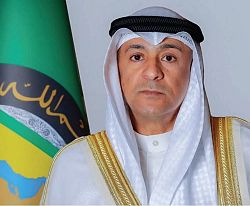
The Secretary-General of the Gulf Cooperation Council (GCC) Jasem Albudaiwi has expressed his appreciation for the position conveyed by members of the United Nations Security Council in their presidential statement regarding the attacks carried out by the Houthi terrorist militia against the Kingdom of Saudi Arabia.

Brent Crude Futures Rise 12 Cents
Oil prices remained mostly unchanged in early Asian trading on Thursday following gains from the previous session and a sharp monthly increase.

Al Nassr Beat Al Fateh 3-0 in Saudi Football League
Al Nassr defeated Al Fateh 3-0 in the opening round of the Saudi Pro League, known as the Roshn Saudi League.
Last Update: ،
2026/10/26
Time
06:02:32
Latest News:
 Planning Minister Discusses Strengthening Humanitarian Interventions, Support Projects for Displaced ..
Aden Governor Discusses Humanitarian Cooperation and Sustainable Development Projects with UN OCHA
Aden Governor Discusses Humanitarian Response and Youth Training with UNFPA
Minister of Health Discusses with WFP Nutritional Interventions
Houth Cell, Weapon Shipment in Shabwah, Security Achievement
Latest News:
Planning Minister Discusses Strengthening Humanitarian Interventions, Support Projects for Displaced ..
Aden Governor Discusses Humanitarian Cooperation and Sustainable Development Projects with UN OCHA
Aden Governor Discusses Humanitarian Response and Youth Training with UNFPA
Minister of Health Discusses with WFP Nutritional Interventions
Houth Cell, Weapon Shipment in Shabwah, Security Achievement
Vice President of Cuban State Council receives Minister of Foreign Affairs
[17/09/2023 02:42]
Havana – Saba
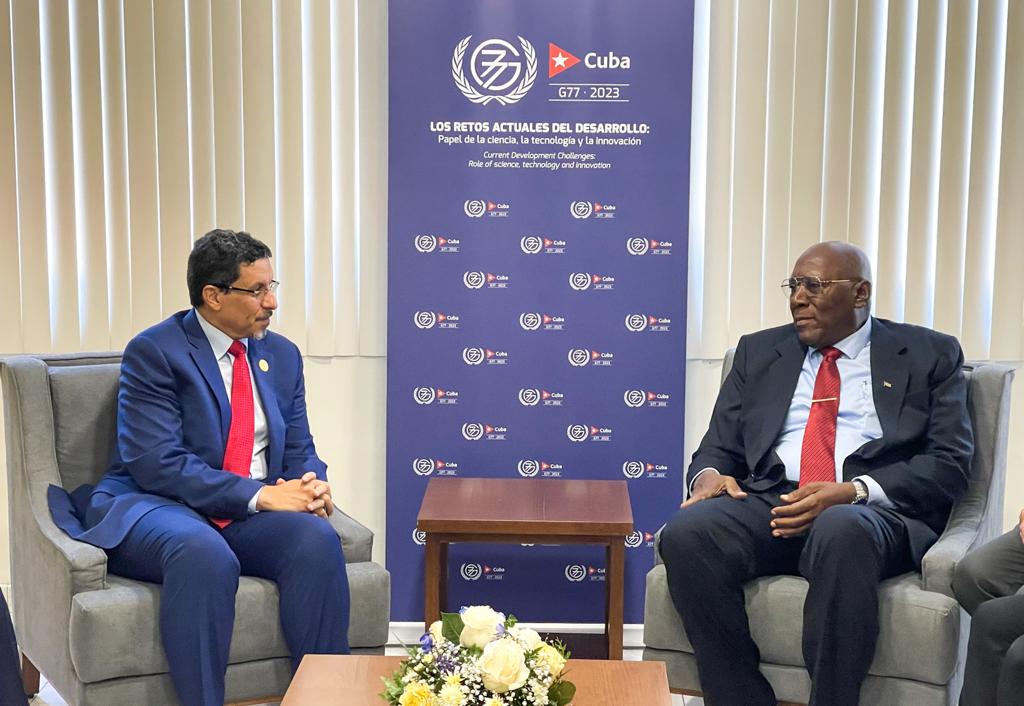
Cuba´s vice President of the Council of State, Salvador Valdés Mesa received today Yemen's Minister of Foreign Affairs, Dr. Ahmed Awad Bin Mubarak, who is participating in the Summit of G77+China in the Cuban capital, Havana.
During the meeting, they reviewed the friendly and cooperative relations between the two countries and ways to strengthen and develop them in a number of fields, in addition to discussing intensifying bilateral and multilateral coordination to serve the interests of the two friendly countries and peoples.
The Cuban Vice President affirmed his country's commitment to supporting Yemen for a long time and enhancing cooperation in the education and health sectors. In turn, Minister Bin Mubarak expressed deep thanks for the Cuban feelings of appreciation and sympathy toward the government and the Yemeni people, and at the same time conveyed the greetings of His Excellency President Rashad Al-Alimi to his Cuban counterpart, stressing the continuation of Yemen’s principled position rejecting the economic blockade on Cuba and the continued exchange of support and coordination in international forums.
Cuba´s vice President of the Council of State, Salvador Valdés Mesa received today Yemen's Minister of Foreign Affairs, Dr. Ahmed Awad Bin Mubarak, who is participating in the Summit of G77+China in the Cuban capital, Havana.
During the meeting, they reviewed the friendly and cooperative relations between the two countries and ways to strengthen and develop them in a number of fields, in addition to discussing intensifying bilateral and multilateral coordination to serve the interests of the two friendly countries and peoples.
The Cuban Vice President affirmed his country's commitment to supporting Yemen for a long time and enhancing cooperation in the education and health sectors. In turn, Minister Bin Mubarak expressed deep thanks for the Cuban feelings of appreciation and sympathy toward the government and the Yemeni people, and at the same time conveyed the greetings of His Excellency President Rashad Al-Alimi to his Cuban counterpart, stressing the continuation of Yemen’s principled position rejecting the economic blockade on Cuba and the continued exchange of support and coordination in international forums.
Key words:
international - Saba Cuba´s - participating - coordination - appreciation - continuation - intensifying - multilateral - cooperative - cooperation -
Houthi Shelling Kills Child in Southern Taiz
Planning Minister Discusses Strengthening Humanitarian Interventions, Support Projects for Displaced People with UNHCR
Aden Governor Discusses Humanitarian Cooperation and Sustainable Development Projects with UN OCHA
Aden Governor Discusses Humanitarian Response and Youth Training with UNFPA
Minister of Health Discusses with WFP Nutritional Interventions
Houth Cell, Weapon Shipment in Shabwah, Security Achievement
Ministry of Transport Condemns Houthi Militias for Firing Two Ballistic Missiles on Aden Airport
Houthi Militants Kill 64, Hurt 173 Civilians in Taiz Since Last August
Interior Ministry: Houthis Target Coast Guard Facilities in Aden With Three Ballistic Missiles
Yemenis in Brussels Urge EU to Press for End to Taiz Siege