
Yemenis in Brussels Urge EU to Press for End to Taiz Siege
Participants in a protest outside the European Parliament in Brussels called on the European Union to exert effective pressure on the Iran-backed Houthi terrorist militia to end its siege of Taiz, permanently and safely reopen main roads, ensure freedom of movement for civilians and the delivery of goods and humanitarian aid, and facilitate the transfer of patients and wounded people to healthcare facilities without obstruction.

GCC Secretary-General Welcomes UN Security Council’s Position on Houthi Attacks Against Saudi Arabia
The Secretary-General of the Gulf Cooperation Council (GCC) Jasem Albudaiwi has expressed his appreciation for the position conveyed by members of the United Nations Security Council in their presidential statement regarding the attacks carried out by the Houthi terrorist militia against the Kingdom of Saudi Arabia.

Brent Crude Futures Rise 12 Cents
Oil prices remained mostly unchanged in early Asian trading on Thursday following gains from the previous session and a sharp monthly increase.

Al Nassr Beat Al Fateh 3-0 in Saudi Football League
Al Nassr defeated Al Fateh 3-0 in the opening round of the Saudi Pro League, known as the Roshn Saudi League.
Last Update: ،
2026/10/24
Time
04:19:41
Latest News:
 Yemen’s Prime Minister Condemns Terrorist Attack on Church in Jordan
Coalition: Air Defenses Intercept and Destroy Ballistic Missile Launched Toward Riyadh
Yemen Welcomes Joint Statement by Foreign Ministers of Saudi Arabia, Egypt, Türkiye, Pakistan
Taiz Residents Bury 18 Victims of Houthi Shelling
Spain Says Houthi Attacks on Civilian Infrastructure in Yemen and Saudi Arabia Fuel Regional Escalation
Latest News:
Yemen’s Prime Minister Condemns Terrorist Attack on Church in Jordan
Coalition: Air Defenses Intercept and Destroy Ballistic Missile Launched Toward Riyadh
Yemen Welcomes Joint Statement by Foreign Ministers of Saudi Arabia, Egypt, Türkiye, Pakistan
Taiz Residents Bury 18 Victims of Houthi Shelling
Spain Says Houthi Attacks on Civilian Infrastructure in Yemen and Saudi Arabia Fuel Regional Escalation
Aden safe for UNDP to operate, relief chairwoman says
[11/07/2017 04:19]
ADEN-SABA
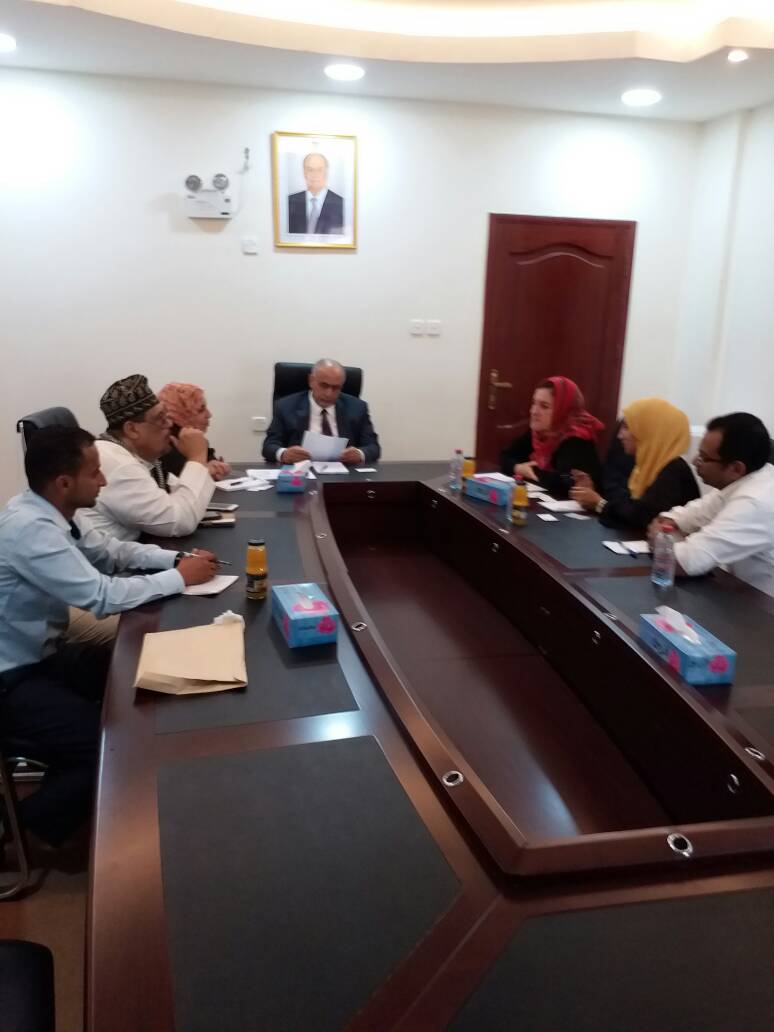
The deputy chairwoman of the Supreme Committee for Relief Ibtihaj al-Kamal has said that the temporary capital city, Aden, is stable and secure for the UNDP to start its functions from.
In a meeting with the UNDP Deputy Country DirectorVakhtangSvanidze and the head of UNDP Sub-Office in Aden, Sylvain Merlen, al-Kamal, who is also the minister of social affairs, highlighted the setback for UNDP functions in Taiz and Hodeidah because of the rebel Saleh-Houthi militias' control.
The UNDP dep. director affirmed that the UNDP will begin to carry out activities in a number of provinces, Aden, Taiz, Hodeidah and Sana'a, as test provinces, to be followed by other provinces.
The meeting, attended also by the chairman of the Relief Committee, Aburraqqeeb Fatah, discussed the UNDP's planned local development projects.
It focused on the organization's multifaceted emergency response programs; cash-for-labor, job opportunity creation and small enterprises support.
Fatah, on his part, affirmed the government's readiness to cooperate with the UNDP in accordance with the International Labor Organization standards in this respect.
Key words:
DirectorVakhtangSvanidze - organization's - International - Organization - government's - multifaceted - Aburraqqeeb - opportunity - development - enterprises -
Yemenis in Brussels Urge EU to Press for End to Taiz Siege
Yemen’s Prime Minister Condemns Terrorist Attack on Church in Jordan
Coalition: Air Defenses Intercept and Destroy Ballistic Missile Launched Toward Riyadh
Yemen Welcomes Joint Statement by Foreign Ministers of Saudi Arabia, Egypt, Türkiye, Pakistan
Taiz Residents Bury 18 Victims of Houthi Shelling
Spain Says Houthi Attacks on Civilian Infrastructure in Yemen and Saudi Arabia Fuel Regional Escalation
Arab League Condemns Houthi Attacks on Saudi Arabia’s King Fahd International Airport
European Parliament Calls for Designating Houthis Terrorist Organization, Confirms its Support for Yemeni Government
Foreign Minister Delivers Message from President al-Alimi to Chinese President
Houthi Militias Bombard Mosque, School in Jabal Saber, South of Taiz