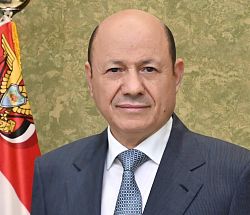
President al-Alimi: The anniversary of Decisive Storm, Arab project supporting Yemen
His Excellency President Dr. Rashad Mohammed al-Alimi, Chairman of the Presidential Leadership Council has renewed praise to Saudi-led Coalition to support the legitimacy in Yemen.

Arab League Calls for Confronting Rising Anti-Muslim Hate
The Arab League on Sunday called for intensified international efforts to confront the growing phenomenon of hate speech and discrimination against Muslims in order to prevent deeper divisions among religions and cultures.

Oil rises as markets assess supply risks
Oil prices rose today, Tuesday, due to supply concerns, with Brent crude futures climbing $2.89, or 2.9 percent, to $102.83 per barrel.

Saudi League: Al-Nassr, Al-Ettifaq and Neom Secure Victories Over Al-Ittihad, Damac and Al-Riyadh
Al-Nassr defeated its guest Al-Ittihad 2–0 in the match that brought them together at Al-Awwal Park Stadium in Riyadh, as part of the 21st round of the Saudi Professional League.
Last Update: ،
2026/03/27
Time
08:52:54
Latest News:
 Aden Governor Meets French, German Ambassadors to Boost Development Cooperation
Vice Foreign Minister Holds Expanded Meeting with Heads of Missions in Gulf, Jordan, and Iraq
Yemeni Ambassador Holds Talks with EU Officials on Strengthening Ties
Aden Governor, Japanese Ambassador Discuss Expanding Development Interventions
Al-Eryani: Seizure of Iranian Smuggling Vessel off Bab al-Mandab Highlights Ongoing Houthi Supply Lines
Latest News:
Aden Governor Meets French, German Ambassadors to Boost Development Cooperation
Vice Foreign Minister Holds Expanded Meeting with Heads of Missions in Gulf, Jordan, and Iraq
Yemeni Ambassador Holds Talks with EU Officials on Strengthening Ties
Aden Governor, Japanese Ambassador Discuss Expanding Development Interventions
Al-Eryani: Seizure of Iranian Smuggling Vessel off Bab al-Mandab Highlights Ongoing Houthi Supply Lines
PM meets OHCHR representative in Yemen
[11/12/2019 06:19]
ADEN -SABA
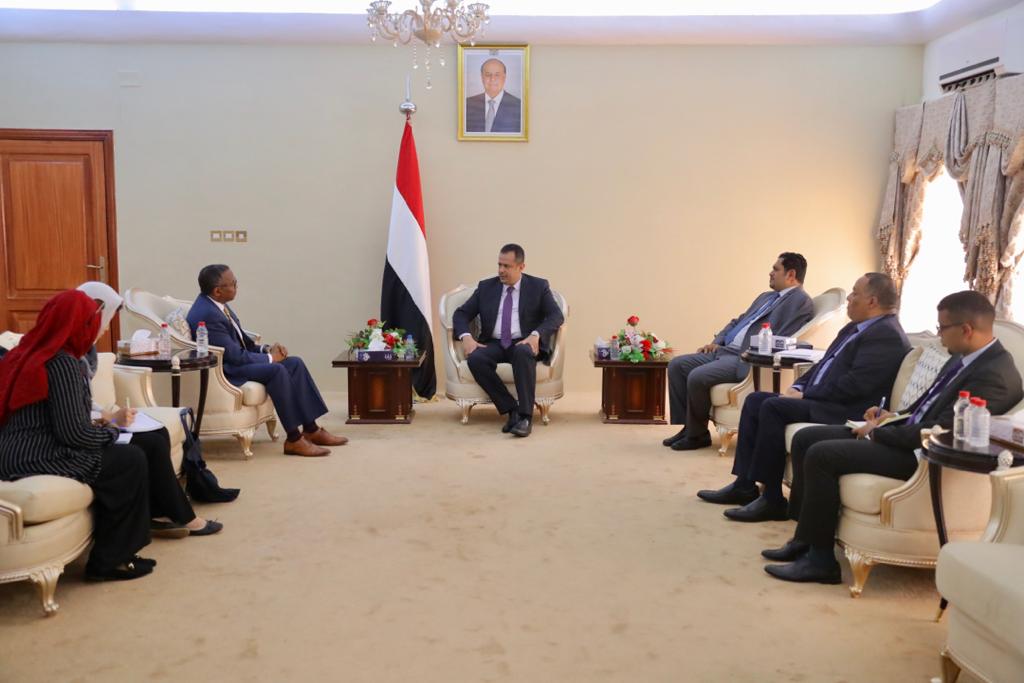
Prime Minister Maeen Abdulmalik the resident representative of the United Nations Office of the High Commissioner for Human Rights to Yemen, Al-Obaid Ahmed Al-Obaid here in the temporary capital Aden today.
They discussed cooperational relations between Yemen and the OHCHR in the areas of monitoring human rights violations, including the brutal crimes committed by the Houthis against civilians in the rebel militia's areas of control.
The militia have been imposing arbitrary measures on organizations including international organizations operating in the militant-controlled territories. The Houthi restrictive measures have affected the OHCHR itself.
The Prime Minister reaffirmed the government's commitment to human rights and international humanitarian law, and its willingness to cooperate with the OHCHR and facilitate its mission.
He said the Houthi triggered war left a tragic reality in Yemen, so houses were destroyed, rights and freedoms were violated, children were recruited to warfronts, education was denied, and many civilians lost the right to a decent life.
He especially pointed to the Houthi policy of besieging and starving cities as among the most heinous crimes.
Prime Minister Maeen Abdulmalik the resident representative of the United Nations Office of the High Commissioner for Human Rights to Yemen, Al-Obaid Ahmed Al-Obaid here in the temporary capital Aden today.
They discussed cooperational relations between Yemen and the OHCHR in the areas of monitoring human rights violations, including the brutal crimes committed by the Houthis against civilians in the rebel militia's areas of control.
The militia have been imposing arbitrary measures on organizations including international organizations operating in the militant-controlled territories. The Houthi restrictive measures have affected the OHCHR itself.
The Prime Minister reaffirmed the government's commitment to human rights and international humanitarian law, and its willingness to cooperate with the OHCHR and facilitate its mission.
He said the Houthi triggered war left a tragic reality in Yemen, so houses were destroyed, rights and freedoms were violated, children were recruited to warfronts, education was denied, and many civilians lost the right to a decent life.
He especially pointed to the Houthi policy of besieging and starving cities as among the most heinous crimes.
Key words:
representative - SABA Prime - organizations - cooperational - international - government's - Commissioner - humanitarian - restrictive - willingness -
President al-Alimi: The anniversary of Decisive Storm, Arab project supporting Yemen
Aden Governor Meets French, German Ambassadors to Boost Development Cooperation
Vice Foreign Minister Holds Expanded Meeting with Heads of Missions in Gulf, Jordan, and Iraq
Yemeni Ambassador Holds Talks with EU Officials on Strengthening Ties
Aden Governor, Japanese Ambassador Discuss Expanding Development Interventions
Al-Eryani: Seizure of Iranian Smuggling Vessel off Bab al-Mandab Highlights Ongoing Houthi Supply Lines
Al-Muharrami Meets Prime Minister to Discuss Developments and Support Government Reforms
Al-Subaihi Urges Removal of Obstacles Facing Humanitarian Work
Health Minister Discusses Academic and Medical Cooperation with German University of Rostock Delegation
Yemen's accession to WTO strategic step to boost economic reforms, says al-Ashwal