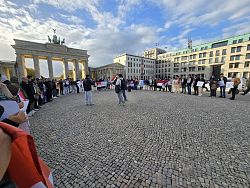
Berlin Protest Calls for Lifting Taiz Siege, Designating Houthis as Terrorists
Members of the Yemeni community in Berlin staged a protest calling on Germany, the European Union, the United Nations and the international community to pressure the Iran-backed Houthi militia to lift the siege on Taiz, reopen roads, ensure freedom of movement and allow humanitarian supplies into the city.
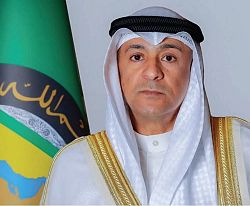
GCC Secretary-General Welcomes UN Security Council’s Position on Houthi Attacks Against Saudi Arabia
The Secretary-General of the Gulf Cooperation Council (GCC) Jasem Albudaiwi has expressed his appreciation for the position conveyed by members of the United Nations Security Council in their presidential statement regarding the attacks carried out by the Houthi terrorist militia against the Kingdom of Saudi Arabia.

Brent Crude Futures Rise 12 Cents
Oil prices remained mostly unchanged in early Asian trading on Thursday following gains from the previous session and a sharp monthly increase.

Al Nassr Beat Al Fateh 3-0 in Saudi Football League
Al Nassr defeated Al Fateh 3-0 in the opening round of the Saudi Pro League, known as the Roshn Saudi League.
Last Update: ،
2026/10/27
Time
02:15:48
Latest News:
 Berlin Protest Calls for Lifting Taiz Siege, Designating Houthis as Terrorists
Coalition Carries Out Operation to Neutralize Houthi Threats
Yemen’s Human Rights Ministry Warns of Humanitarian Catastrophe in Taiz
Citizen Killed by Houthi Landmine Explosion in Al-Baydha Governorate
Yemen Condemns Israeli National Security Minister’s Incursion into Al-Aqsa Mosque
Latest News:
Berlin Protest Calls for Lifting Taiz Siege, Designating Houthis as Terrorists
Coalition Carries Out Operation to Neutralize Houthi Threats
Yemen’s Human Rights Ministry Warns of Humanitarian Catastrophe in Taiz
Citizen Killed by Houthi Landmine Explosion in Al-Baydha Governorate
Yemen Condemns Israeli National Security Minister’s Incursion into Al-Aqsa Mosque
The CBY takes decisions to carry out its functions
[12/04/2018 05:17]
ADEN-SABA
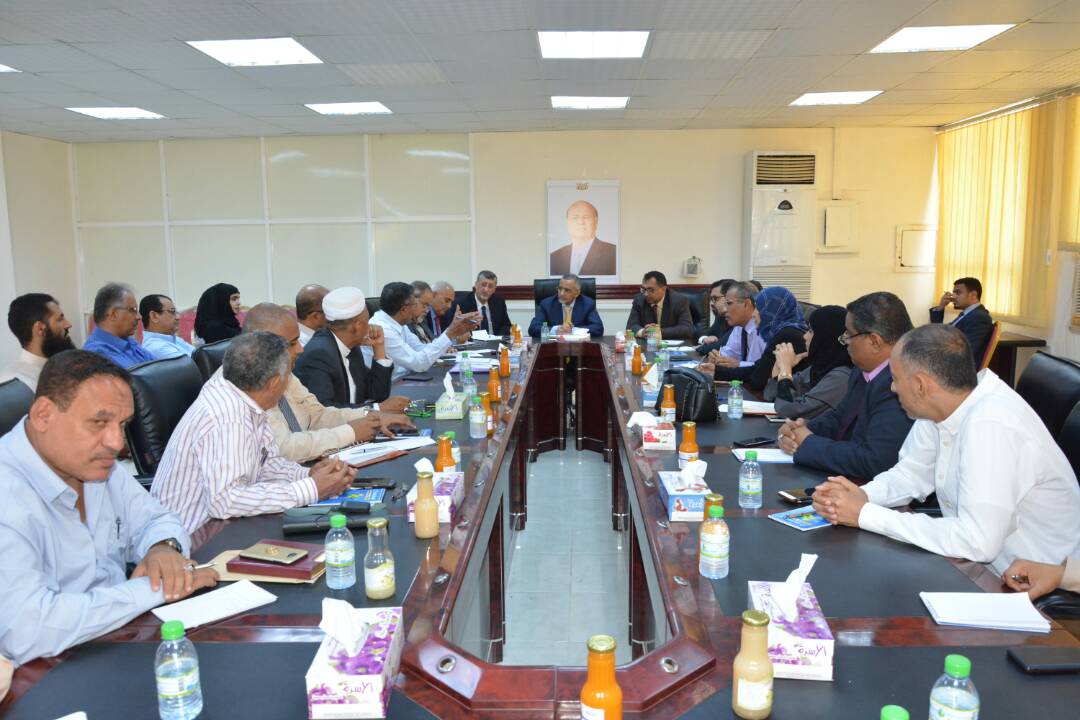
The Central Bank of Yemen (CBY) has taken several decisions aiming to operate its main headquarter in the interim capital Aden. The decisions have been approved by joint meeting included Board of Directors of the CBY and Representatives of the Banks, Chamber of Trade and Industry and private-sector.
The meeting held Thursday presided over by the governor of the CBY Dr Mohammed Mansour Zemmam, in the interim capital Aden.
The decisions included resuming the banking credit coverage of the basic commodities imports, through opening banking credits by national banks around the country. This shall be commenced in the beginning of next June, it shall make use of the Suadi Arabia's $2 billion deposit.
The decisions also included resuming dealing with checks concerning to the public revenues.
The governor Dr Mohammed Zemmam gave keynote speech in which he outlined the CBY action-plan, objectives and mechanism. He stated that the CBY has got 3-month- action plan, affirming that the CBY is responsible for the public debt as official institution. He also noted that expenditures including salaries will be paid through the banks, and mini-banknotes( 100-200-250 YR) will be issued and made available, and old ones will be withdrawn.
The Central Bank of Yemen (CBY) has taken several decisions aiming to operate its main headquarter in the interim capital Aden. The decisions have been approved by joint meeting included Board of Directors of the CBY and Representatives of the Banks, Chamber of Trade and Industry and private-sector.
The meeting held Thursday presided over by the governor of the CBY Dr Mohammed Mansour Zemmam, in the interim capital Aden.
The decisions included resuming the banking credit coverage of the basic commodities imports, through opening banking credits by national banks around the country. This shall be commenced in the beginning of next June, it shall make use of the Suadi Arabia's $2 billion deposit.
The decisions also included resuming dealing with checks concerning to the public revenues.
The governor Dr Mohammed Zemmam gave keynote speech in which he outlined the CBY action-plan, objectives and mechanism. He stated that the CBY has got 3-month- action plan, affirming that the CBY is responsible for the public debt as official institution. He also noted that expenditures including salaries will be paid through the banks, and mini-banknotes( 100-200-250 YR) will be issued and made available, and old ones will be withdrawn.
Key words:
Representatives - expenditures - headquarter - institution - commodities - responsible - objectives - concerning - commenced - beginning -
Berlin Protest Calls for Lifting Taiz Siege, Designating Houthis as Terrorists
Yemen’s Human Rights Ministry Warns of Humanitarian Catastrophe in Taiz
Al-Barkani Informs Chairman of Pakistan's National Assembly on Developments in Yemen
Yemen Participates in 17th Session of Arab Ministerial Water Council
Houthi Shelling Kills Child in Southern Taiz
Aden Governor Discusses Humanitarian Cooperation and Sustainable Development Projects with UN OCHA
Houth Cell, Weapon Shipment in Shabwah, Security Achievement
Interior Ministry: Houthis Target Coast Guard Facilities in Aden With Three Ballistic Missiles
Yemenis in Brussels Urge EU to Press for End to Taiz Siege
Yemen’s Prime Minister Condemns Terrorist Attack on Church in Jordan