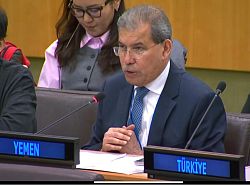
Government: "Yemen Dawn Operation" New Phase in Struggle for Restoring State Institutions, Eliminating Houthi Coup
The Yemeni government confirmed that His Excellency President Dr. Rashad al-Alimi, Chairman of the Presidential Leadership Council (PLC) declared "Yemen Dawn Operation" based on his constitutional and legal responsibilities to protect citizens and safeguard Yemen's sovereignty over its airspace, lands and territorial waters.
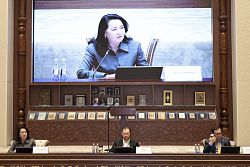
Second Day of International Media Forum on Islamic Civilization Kicks Off in Tashkent
The second day of the International Media Forum “Islamic Civilization: A New Perspective – New Discoveries” commenced today, Wednesday, at the Center for Islamic Civilization in the Uzbek capital, Tashkent.

Brent Crude Futures Rise 12 Cents
Oil prices remained mostly unchanged in early Asian trading on Thursday following gains from the previous session and a sharp monthly increase.

Al Nassr Beat Al Fateh 3-0 in Saudi Football League
Al Nassr defeated Al Fateh 3-0 in the opening round of the Saudi Pro League, known as the Roshn Saudi League.
Last Update: ،
2026/10/10
Time
05:15:49
Latest News:
 Report: Houthi Militias Blamed for Demolishing 1,774 Homes, Civilian Buildings
Amb. al-Eryani Updates German Lawmaker on Developments in Yemen
Yemen's Ambassador Confers with Malaysian Official over Joint Cooperation
State Minister Discusses Houthi Escalation, Displacement Crisis with Dutch Ambassador
EU Signs Agreement Worth 10 Million Euro to Boost Climate-Resilient Agricultural Food Systems in Yemen
Latest News:
Report: Houthi Militias Blamed for Demolishing 1,774 Homes, Civilian Buildings
Amb. al-Eryani Updates German Lawmaker on Developments in Yemen
Yemen's Ambassador Confers with Malaysian Official over Joint Cooperation
State Minister Discusses Houthi Escalation, Displacement Crisis with Dutch Ambassador
EU Signs Agreement Worth 10 Million Euro to Boost Climate-Resilient Agricultural Food Systems in Yemen
Foreign Minister: Yemen Is Not an Iranian Bargaining Chip
[19/09/2026 12:53]
ADEN-SABA
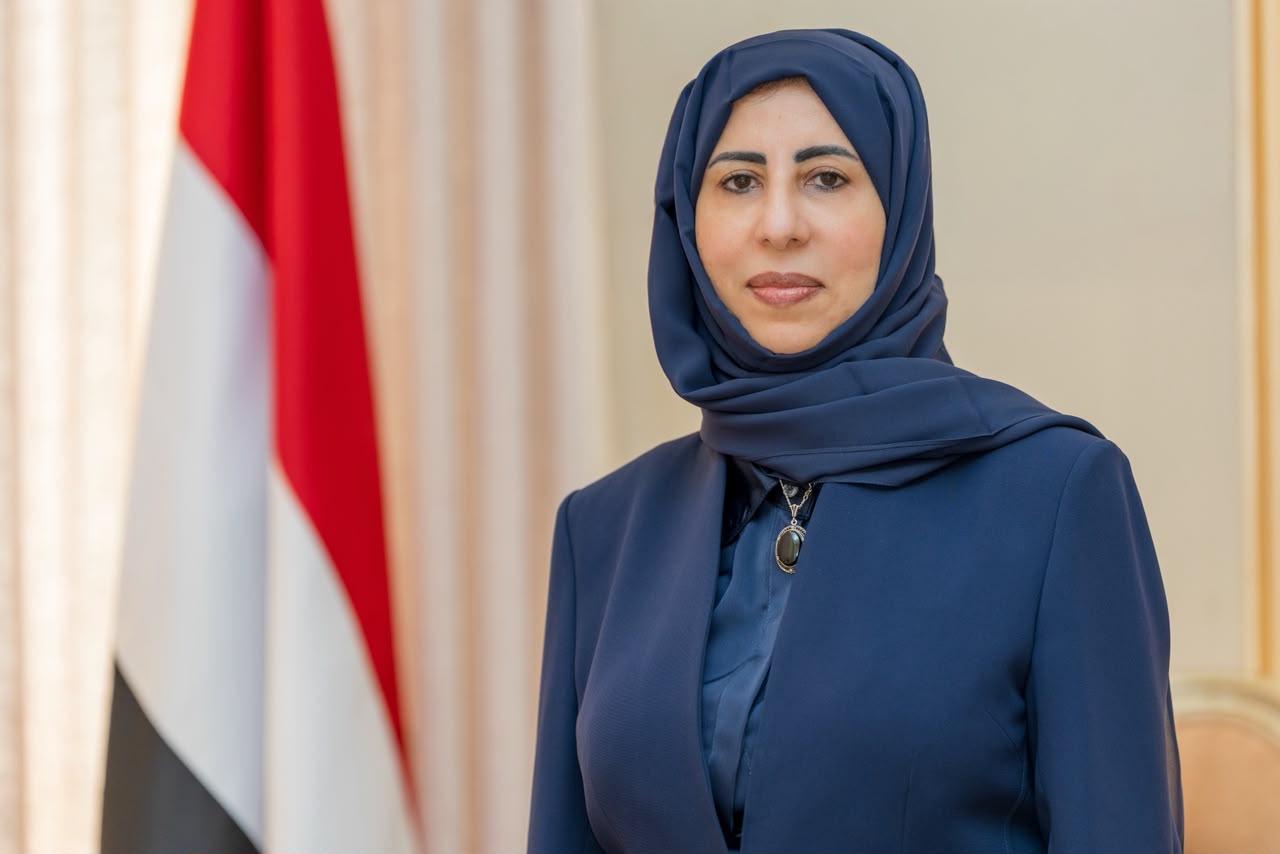
Foreign Minister Dr. Afrah al-Zouba reaffirmed the Yemeni government’s commitment to restoring state institutions and securing the country’s territory, coastline and territorial waters, stressing that developments along the western coast do not change this objective or give the Houthi militia the right to impose a fait accompli by force.
In an interview with Sputnik, al-Zouba said restoring state institutions is essential to Yemen’s security, regional stability and maritime safety. She said the government is addressing recent developments responsibly, focusing on correcting shortcomings, protecting civilians, supporting affected people and strengthening state institutions.
She said the government’s “integrated deterrence” approach combines military, diplomatic, humanitarian and institutional efforts, while prioritizing civilian protection, assistance to displaced people and support for local authorities.
Regarding the Red Sea and Bab al-Mandab, al-Zouba warned that the threat extends beyond disrupting navigation to attempts to impose conditions on maritime freedom and security. She stressed that military control of territory does not confer the right to control maritime traffic and called for stronger cooperation on maritime security, port protection, coast guard capabilities, combating smuggling and enforcing the arms embargo.
The Foreign Minister praised Saudi Arabia’s support for Yemen, describing the bilateral partnership as firmly rooted in shared interests and regional security. She also welcomed Russia’s support at the UN Security Council for freedom of navigation and its rejection of attacks on commercial vessels.
Al-Zouba said the Yemen crisis began with the Houthi militia’s 2014 coup against state institutions, stressing that Yemen’s future must be decided by Yemenis through their state and national political process with support from their partners.
She rejected Iranian support for the Houthi militia, saying it strengthens its military capabilities and uses Yemen’s strategic location to threaten neighboring countries and maritime routes. “Yemen is not compensation for anyone’s loss on another battlefield, a venue for settling scores, or a bargaining chip for improving the regional negotiating position of any regional power,” she said.
She concluded that lasting stability requires ending the coup, restoring state institutions and safeguarding Yemen’s unity, sovereignty and territorial integrity in line with agreed national and international references, foremost UN Security Council Resolution 2216, with any future arrangements requiring verifiable commitments and state institutions holding the monopoly on arms and sovereign decision-making.
Foreign Minister Dr. Afrah al-Zouba reaffirmed the Yemeni government’s commitment to restoring state institutions and securing the country’s territory, coastline and territorial waters, stressing that developments along the western coast do not change this objective or give the Houthi militia the right to impose a fait accompli by force.
In an interview with Sputnik, al-Zouba said restoring state institutions is essential to Yemen’s security, regional stability and maritime safety. She said the government is addressing recent developments responsibly, focusing on correcting shortcomings, protecting civilians, supporting affected people and strengthening state institutions.
She said the government’s “integrated deterrence” approach combines military, diplomatic, humanitarian and institutional efforts, while prioritizing civilian protection, assistance to displaced people and support for local authorities.
Regarding the Red Sea and Bab al-Mandab, al-Zouba warned that the threat extends beyond disrupting navigation to attempts to impose conditions on maritime freedom and security. She stressed that military control of territory does not confer the right to control maritime traffic and called for stronger cooperation on maritime security, port protection, coast guard capabilities, combating smuggling and enforcing the arms embargo.
The Foreign Minister praised Saudi Arabia’s support for Yemen, describing the bilateral partnership as firmly rooted in shared interests and regional security. She also welcomed Russia’s support at the UN Security Council for freedom of navigation and its rejection of attacks on commercial vessels.
Al-Zouba said the Yemen crisis began with the Houthi militia’s 2014 coup against state institutions, stressing that Yemen’s future must be decided by Yemenis through their state and national political process with support from their partners.
She rejected Iranian support for the Houthi militia, saying it strengthens its military capabilities and uses Yemen’s strategic location to threaten neighboring countries and maritime routes. “Yemen is not compensation for anyone’s loss on another battlefield, a venue for settling scores, or a bargaining chip for improving the regional negotiating position of any regional power,” she said.
She concluded that lasting stability requires ending the coup, restoring state institutions and safeguarding Yemen’s unity, sovereignty and territorial integrity in line with agreed national and international references, foremost UN Security Council Resolution 2216, with any future arrangements requiring verifiable commitments and state institutions holding the monopoly on arms and sovereign decision-making.
Key words:
SABA Foreign - government’s - international - strengthening - “integrated - deterrence” - Regarding - institutional - developments - institutions -
Government: "Yemen Dawn Operation" New Phase in Struggle for Restoring State Institutions, Eliminating Houthi Coup
Report: Houthi Militias Blamed for Demolishing 1,774 Homes, Civilian Buildings
Amb. al-Eryani Updates German Lawmaker on Developments in Yemen
Yemen's Ambassador Confers with Malaysian Official over Joint Cooperation
Human Rights Ministry Welcomes Adoption of Technical Assistance Resolution for Yemen
Arab and Islamic Condemnation of Houthi Attacks on Saudi Arabia
Coalition Intercepts and Destroys Three Ballistic Missiles Launched by Houthis Toward Riyadh and Khamis Mushait
Yemeni Ambassador to Germany Briefs German MP on Government Efforts to Restore State Institutions
Presidential Leadership Council Chairman: Yemen Dawn Operation Will Continue Until Its Objectives Are Achieved
Minister of Social Affairs Seeks U.S. Support for National Child Protection Plan