Yemen Welcomes UN Security Council Presidential Statement on Houthi Attacks Against Yemen, Saudi Arabia
The Ministry of Foreign Affairs and Expatriates has welcomed the presidential statement issued by the United Nations Security Council on October 15, 2026, regarding the Houthi military escalation in Yemen and attacks against the Kingdom of Saudi Arabia.
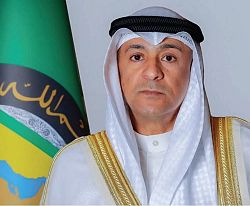
GCC Secretary-General Welcomes UN Security Council’s Position on Houthi Attacks Against Saudi Arabia
The Secretary-General of the Gulf Cooperation Council (GCC) Jasem Albudaiwi has expressed his appreciation for the position conveyed by members of the United Nations Security Council in their presidential statement regarding the attacks carried out by the Houthi terrorist militia against the Kingdom of Saudi Arabia.

Brent Crude Futures Rise 12 Cents
Oil prices remained mostly unchanged in early Asian trading on Thursday following gains from the previous session and a sharp monthly increase.

Al Nassr Beat Al Fateh 3-0 in Saudi Football League
Al Nassr defeated Al Fateh 3-0 in the opening round of the Saudi Pro League, known as the Roshn Saudi League.
Last Update: ،
2026/10/17
Time
06:23:08
Latest News:
 Yemen’s Planning Minister Participates in Arab Governors Meeting at World Bank
Yemen’s Ambassador Discusses Latest Developments with Japan’s Deputy Foreign Minister
Foreign Minister Holds Talks with Indonesian Counterpart on Yemen, Regional Developments
President al-Alimi Discusses National and Regional Developments with UK Foreign Secretary
Human Rights Organization Warns of Humanitarian Catastrophe in Taiz Over Houthi Siege
Latest News:
Yemen’s Planning Minister Participates in Arab Governors Meeting at World Bank
Yemen’s Ambassador Discusses Latest Developments with Japan’s Deputy Foreign Minister
Foreign Minister Holds Talks with Indonesian Counterpart on Yemen, Regional Developments
President al-Alimi Discusses National and Regional Developments with UK Foreign Secretary
Human Rights Organization Warns of Humanitarian Catastrophe in Taiz Over Houthi Siege
Health Minister holds meeting to address pandemic situation in Yemen
[08/04/2024 08:40]
ADEN-SABA
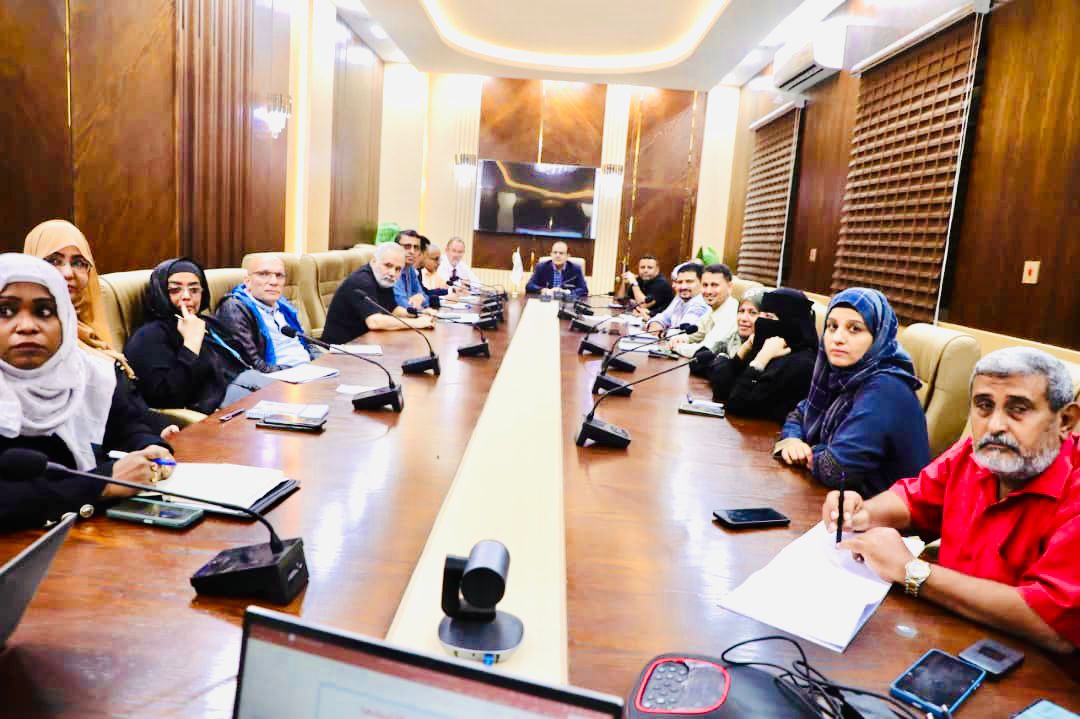
Minister of Public Health and Population Dr. Qasim Bhaybeh chaired Monday an extensive health meeting.
The meeting was dedicated to discussing the current pandemic situation, the spread map, and the range of measures and precautions taken by the ministry to confront the outbreak of acute watery diarrhea and cholera.
The meeting, which was attended by Dr. Ali al-Walidi the Deputy Minister of Health for Primary Health Care, directors of health offices in the liberated provinces, and health sector partners in international organizations, reviewed the epidemiological situation, suspected cases, and confirmed cases.
It also covered various interventions falling under the committee's purview, including surveillance, laboratories, infection control, water and environmental sanitation, monitoring and planning, vaccinations, logistical support, risk communication, and community engagement.
Minister Buhaybeh emphasized the importance of enhancing effective partnerships between the Ministry of Health and its partners in various international organizations, merging efforts to confront the spread of acute watery diarrhea and cholera, and finding appropriate solutions in the sectors working in this field.
He stressed the need to address the issue at both central and local levels and to share the burden centrally, locally, and with partners in relevant entities.
Furthermore, Minister Buhaybeh emphasized the importance of crystallizing ideas and visions presented in a unified action plan in coordination with health partners and formulating them into a comprehensive central and local action plan that is responsive and activates emergency rooms at the ministry and province levels.
He called on partners to increase their attention and coordination to respond effectively and prevent an increase in cases that threaten the health system, emphasizing the need for transparency, particularly in dealing with information related to the epidemiological situation in areas controlled by the Houthi militias.
For his part, Dr. Ali al-Walidi emphasized the importance of enhancing the work of various axes and activating coordination mechanisms with partners in relevant entities, prioritizing transparency in work, identifying the scale of the problem, and how to deal with it in areas controlled by the Houthi militias.
The meeting emphasized the need to activate organized collective work, intensify the awareness and educational message about the risks of acute watery diarrhea and cholera, and how to prevent them.
It urged the community to interact with awareness and guidance messages and apply them in reality, and to increase communication through various media outlets and identify target groups.
The meeting's outcomes also included a call to enhance the work of isolation centers and surveillance points, providing them with the necessary resources for their success, and preparing for two vaccination campaigns in the liberated governorates.
Minister of Public Health and Population Dr. Qasim Bhaybeh chaired Monday an extensive health meeting.
The meeting was dedicated to discussing the current pandemic situation, the spread map, and the range of measures and precautions taken by the ministry to confront the outbreak of acute watery diarrhea and cholera.
The meeting, which was attended by Dr. Ali al-Walidi the Deputy Minister of Health for Primary Health Care, directors of health offices in the liberated provinces, and health sector partners in international organizations, reviewed the epidemiological situation, suspected cases, and confirmed cases.
It also covered various interventions falling under the committee's purview, including surveillance, laboratories, infection control, water and environmental sanitation, monitoring and planning, vaccinations, logistical support, risk communication, and community engagement.
Minister Buhaybeh emphasized the importance of enhancing effective partnerships between the Ministry of Health and its partners in various international organizations, merging efforts to confront the spread of acute watery diarrhea and cholera, and finding appropriate solutions in the sectors working in this field.
He stressed the need to address the issue at both central and local levels and to share the burden centrally, locally, and with partners in relevant entities.
Furthermore, Minister Buhaybeh emphasized the importance of crystallizing ideas and visions presented in a unified action plan in coordination with health partners and formulating them into a comprehensive central and local action plan that is responsive and activates emergency rooms at the ministry and province levels.
He called on partners to increase their attention and coordination to respond effectively and prevent an increase in cases that threaten the health system, emphasizing the need for transparency, particularly in dealing with information related to the epidemiological situation in areas controlled by the Houthi militias.
For his part, Dr. Ali al-Walidi emphasized the importance of enhancing the work of various axes and activating coordination mechanisms with partners in relevant entities, prioritizing transparency in work, identifying the scale of the problem, and how to deal with it in areas controlled by the Houthi militias.
The meeting emphasized the need to activate organized collective work, intensify the awareness and educational message about the risks of acute watery diarrhea and cholera, and how to prevent them.
It urged the community to interact with awareness and guidance messages and apply them in reality, and to increase communication through various media outlets and identify target groups.
The meeting's outcomes also included a call to enhance the work of isolation centers and surveillance points, providing them with the necessary resources for their success, and preparing for two vaccination campaigns in the liberated governorates.
Key words:
epidemiological - Furthermore - SABA Minister - crystallizing - interventions - international - comprehensive - organizations - communication - environmental -
Foreign Minister Holds Talks with Indonesian Counterpart on Yemen, Regional Developments
President al-Alimi Discusses National and Regional Developments with UK Foreign Secretary
UN Security Council Condemns Houthi Escalation in Yemen, Reaffirms Saudi Arabia’s Right to Self-Defence
President al-Alimi asks about Colleagues' Safety Following Houthi Missile Attack on Maashiq Palace
Deputy Foreign Minister Praises Japanese Support for Yemen
Yemeni Rights Network Documents 219 Houthi Violations in Taiz in 48 Hours
European Union Calls on Houthi Militias to Lift Siege on Taiz, Allow Food Supplies to Enter the City
Prime Minister Praises Taiz Residents’ Heroic Resilience, Says Houthi Crimes Will Not Be Forgotten
Woman Killed, Three Injured in Houthi Landmine Explosion South of Taiz
Al-Faqmi, al-Ma'baqi Discuss Cooperation with OPEC Fund, WB, UNDP