European Parliament Calls for Designating Houthis Terrorist Organization, Confirms its Support for Yemeni Government
The European Parliament called today, Thursday, on the EU Council to add the Houthi militias to the EU's list of terrorist organizations, emphasizing its support for the internationally recognized Yemeni government and its commitment to Yemen's security, sovereignty and territorial unity.
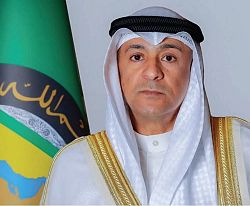
GCC Secretary-General Welcomes UN Security Council’s Position on Houthi Attacks Against Saudi Arabia
The Secretary-General of the Gulf Cooperation Council (GCC) Jasem Albudaiwi has expressed his appreciation for the position conveyed by members of the United Nations Security Council in their presidential statement regarding the attacks carried out by the Houthi terrorist militia against the Kingdom of Saudi Arabia.

Brent Crude Futures Rise 12 Cents
Oil prices remained mostly unchanged in early Asian trading on Thursday following gains from the previous session and a sharp monthly increase.

Al Nassr Beat Al Fateh 3-0 in Saudi Football League
Al Nassr defeated Al Fateh 3-0 in the opening round of the Saudi Pro League, known as the Roshn Saudi League.
Last Update: ،
2026/10/23
Time
12:52:37
Latest News:
 Foreign Minister Delivers Message from President al-Alimi to Chinese President
Houthi Militias Bombard Mosque, School in Jabal Saber, South of Taiz
Yemeni Foreign Minister Warns of Houthi Threats to Regional and International Security
Rasd Organization: 51 Civilians Killed or Injured in Taiz in One Week
Yemen, Türkiye Discuss Bilateral Relations and Latest Developments
Latest News:
Foreign Minister Delivers Message from President al-Alimi to Chinese President
Houthi Militias Bombard Mosque, School in Jabal Saber, South of Taiz
Yemeni Foreign Minister Warns of Houthi Threats to Regional and International Security
Rasd Organization: 51 Civilians Killed or Injured in Taiz in One Week
Yemen, Türkiye Discuss Bilateral Relations and Latest Developments
YWEF Documents 4,651 Houthi Violations Against Mosques and Religious Minorities
[22/08/2026 02:44]
ADEN - SABA
The Yemeni Women Empowerment Foundation (YWEF) has documented 4,651 crimes and violations committed by the Iranian-backed Houthi terrorist militia against mosques, religious figures and minorities across 14 provinces between January 2014 and August 21, 2026.
In a report issued to mark the International Day of Remembrance of Victims of Violence Based on Religion or Belief, YWEF said the violations included 311 deaths, 231 injuries, and the abduction or detention of 679 people, including 143 subjected to torture, 13 of whom died.
The report also documented the forced replacement of 938 imams and preachers, the conversion of 491 mosques into military barracks and 114 into operations rooms, along with attacks and desecration of 902 mosques, confiscation of 832 mosque libraries and seizure of 151 religious properties and endowments.
YWEF warned that the documented abuses could, depending on individual circumstances, constitute war crimes and crimes against humanity. It called for the release of detainees, an end to the militarization of mosques, restoration of confiscated religious property and an international mechanism to document violations and hold perpetrators accountable.
Key words:
militarization - international - International - circumstances - confiscation - perpetrators - restoration - confiscated - accountable - Remembrance -
European Parliament Calls for Designating Houthis Terrorist Organization, Confirms its Support for Yemeni Government
Foreign Minister Delivers Message from President al-Alimi to Chinese President
Houthi Militias Bombard Mosque, School in Jabal Saber, South of Taiz
Yemeni Foreign Minister Warns of Houthi Threats to Regional and International Security
Rasd Organization: 51 Civilians Killed or Injured in Taiz in One Week
Yemen, Türkiye Discuss Bilateral Relations and Latest Developments
Yemen, Japan Discuss Ways to Strengthen Parliamentary Cooperation
Human Rights Minister Discusses Houthi Violations with UN Human Rights Office
Yemen, Jordan Sign Memorandum of Understanding in Fields of Culture, Heritage
Minister al-Sharjabi Discusses Strengthening EU Cooperation on Water, Environment